Evaluating Manual and Automated SEO Workflows
separate machine running form-detection and OBL/PA-DA filtering against every gathered URL before it's safe to feed into a posting project. the freshly-built list starts rotting the very same day it's finished. You're now running the verifier continually, which suggests the costs above are recurring, not one-time. lands in the thousands of dollars range API calls + confirmation VPS time + A-Parser licensing + dead-URL pruning compute.
A single quarter of self-scraping facilities typically exceeds a yearly membership. For operators running several projects across various niches, the math hardly ever favours constructing your own. You're not just purchasing time cost savings you're purchasing access to a verification stack that took 13 years to tune. has actually been running GSA SER projects since 2013.
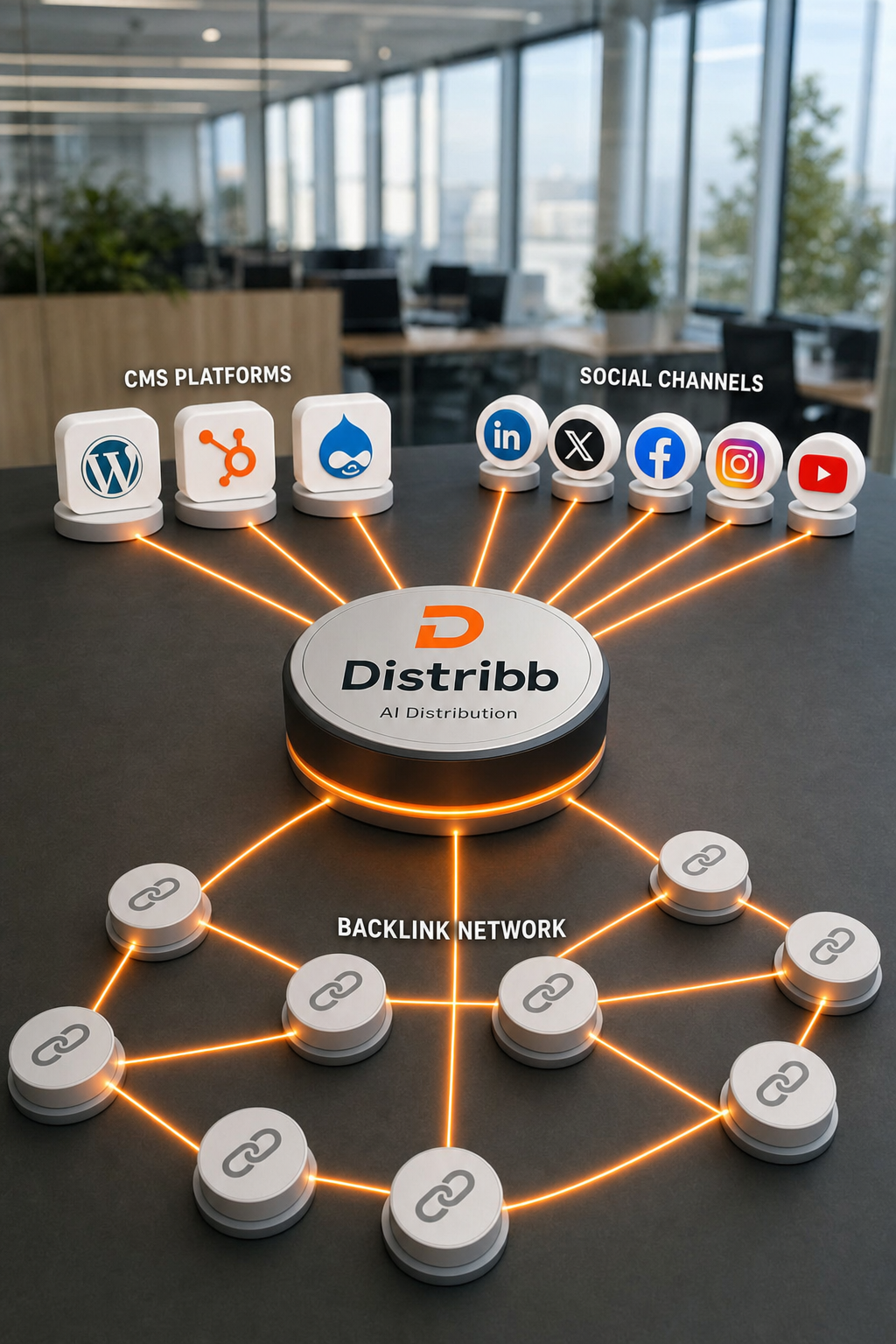
From $37/month, AutoSync provides over 2,000,000 fresh URLs into your GSA SER project immediately. AutoSync is the shipment system that separates from every static link list provider. Here's the specific circulation: Our verification system runs continuously against the target database, getting rid of dead URLs and including newly-verified ones in real time The processed, filtered lists sync to your personal Dropbox folder immediately no action needed on your end Inside GSA SER, your job's "Import Target URLs from file" setting indicate the Dropbox folder course on your VPS Whenever GSA SER checks out targets for a new run, it pulls the existing variation of the list always fresh, never ever the very same stale file two times The AutoSync flow: SER Validated Lists confirmation Dropbox sync GSA SER task checks out fresh targets immediately.
When GSA SER is sending to targets that were validated live today rather of three months ago, a higher percentage of submissions total successfully. Your proxy threads invest more time posting and less time retrying dead endpoints. 400K+Distinct Domains/ Week Not all validated link lists are developed equal, and not all URLs inside a list are safe for Tier 1.
Running a Tier 1 project with a generic bulk list dangers your money website's profile; running it with LOW OBL targets keeps it clean. The complete walkthrough remains in the Tier 1 LOW OBL guide. The broader engine-coverage lists inside the subscription manage volume. The LOW OBL folder particularly deals with quality.
Achieving Peak Search Performance Through Automation
Element Generic Fixed List Build Your Own SER Validated Lists AutoSync Degrades right away Fresh if kept Real-time, constantly present Minutes Days to weeks Under thirty minutes Manual re-downloads needed Continuous VPS + API + proxy expense Fully automated Rarely consisted of If you construct the filter Integrated in dedicated folder Varies Depend upon API budget plan 2,000,000+ One-time, but recurring re-buys Thousands per build cycle From $37/month Getting the most out of fresh confirmed link lists still depends on the rest of your stack.
It deals with modern-day reCAPTCHA v2/v3 and hCaptcha that older solvers can't split reliably. Set the internal timeout to at least 120 seconds.
GSA SER identified list
Optimizing SEO Output With Automated Tools
The "SEO is dead" narrative gets louder every year. ChatGPT search and Perplexity still weight pages that have actually demonstrated trust signals over time.
The requirement that's altered is content quality: a Tier 1 link on a 1,000-word contextually relevant post written by a modern AI design carries much more weight in 2026 than a spun paragraph from 5 years back. The operators winning in 2026 aren't the ones who abandoned GSA SER they're the ones who upgraded the inputs: much better lists, better content, much better captcha facilities.
Confirmed link lists conserve you the time and resources of scraping and verifying targets yourself. Quality lists filter by domain authority, outgoing link count, and whether the target is contextually relevant. What's the difference in between a generic validated link list and SER Validated Lists AutoSync? A generic confirmed link list is a downloaded file (ZIP,. SL, or text dump) that was precise when exported but instantly begins stagnating.