How Software-Based Scaling Transforms ROI in 2026
Amidst this ever-evolving landscape, one foundational pillar of search engine optimization regularly shows its worth: link structure. It's not simply some old-school method; it's a vibrant, effective force that continues to shape how search engines view and rank your website.
It enhances discoverability and indexing. It directly affects keyword rankings. Let's peel back the layers and understand exactly how these digital endorsements aid with the above. At its core, link structure is the process of obtaining links from other websites to your own. These hyperlinks are called backlinks, and they act as a digital path, a clickable bridge from one corner of the internet to another.
These aren't just random connections; they're signals that search engines like Google analyze with fantastic care. Picture you're attempting to decide on the very best restaurant in town. You could take a look at their menu or their website, however what really sways your decision? It's the suggestions from relied on pals, appreciated food critics, and even a crowd of satisfied clients.
When a reliable website links to your page, it's casting a vote. The more votes you get, especially from highly respected "citizens" (reliable sites), the more reliable and important your website appears to search engines. It tells them, "Hey, this website understands its stuff! Other trustworthy sources are backing it up." This collective recommendation is what powers much of link structure's SEO effect.
Leveraging High-Performance Tools to Grow Backlinks
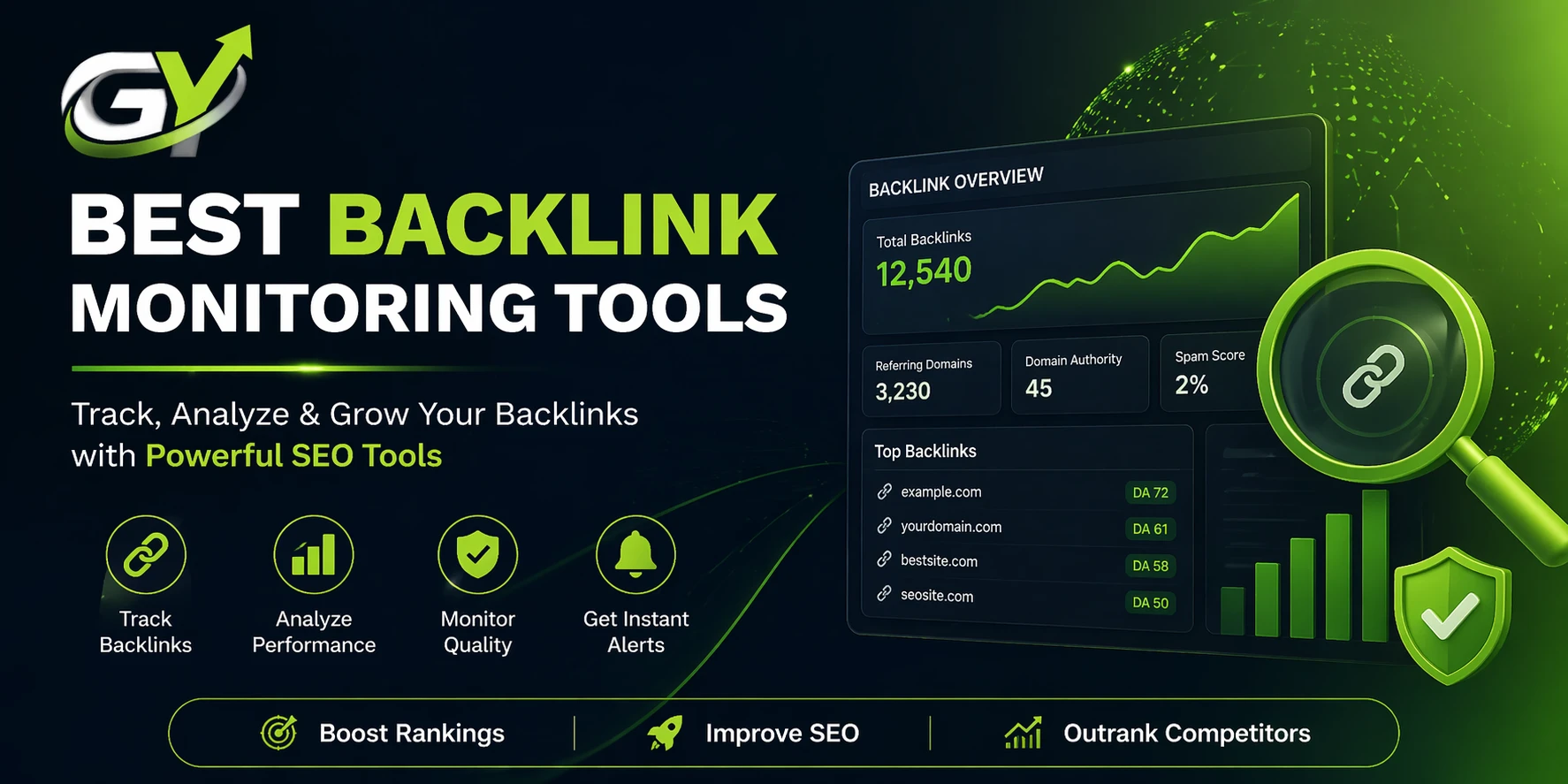
Among the most profound advantages of reliable link structure is its ability to boost your website's authority and dependability in the eyes of search engines. When reliable sites in your niche link to you, it indicates to browse engines that your site is a reputable source of information. In reality, this Backlinko analysis of 11.8 Million Google Search results page discovered that a site's general link authority (measured utilizing Ahrefs Domain Ranking) correlates to higher first page Google rankings: Consider it as a snowball effect: the more premium links you accumulate, the more credible your domain becomes.
It resembles making a strong reputation in your fieldonce you have it, whatever you state carries more weight. For search engines to rank your material, they first need to discover it. This process is called crawling and indexing. Online search engine bots (spiders) browse the web by following links. Think of the internet as a massive web, and links are the threads connecting different parts.
Each new, quality backlink acts as a signpost, guiding online search engine spiders straight to your doorstep and ensuring your important content does not remain concealed in the vastness of the web. This is typically the most popular benefit: direct enhancements in keyword rankings. While many factors influence where your page lands on the search results page, high-quality backlinks are regularly among the strongest signals to search engines that your content is worthy of to rank extremely for relevant keywords.
Improving Daily Link Workflows in 2026
They also discovered that the # 1 outcomes have approximately 3.8 x more backlinks than the outcomes rankings # 2-# 10. When multiple trustworthy websites connect to your article about, state, "sustainable gardening practices," Google's algorithms see these links as strong endorsements for that specific subject. They presume that your page needs to be an important and authoritative resource on sustainable gardening.
It tells Google, loud and clear, that your material is what users are trying to find. It's vital to understand that simply getting any link won't cut it. On the planet of SEO, quality exceeds quantity every single time. A single, relevant, reliable link is worth more than a hundred low-quality, spammy ones.
Imagine a fashion blog connecting to a nuclear physics research study paper. Does that make good sense? Not. Browse engines are wise enough to acknowledge these incongruities. An extremely appropriate link is one that comes from a site or page that shares a comparable topic, industry, or audience to yours.
It signals to Google that your content is backed by peers within your domain, strengthening your authority because particular area. Unimportant links, on the other hand, can be overlooked or perhaps viewed as an unfavorable signal. Remember our restaurant example? A suggestion from a respected food critic brings more weight than one from a casual associate.
A link from a reputable, high-authority site (e.g., a major news outlet, a university, a renowned industry publication) is much more powerful than a link from a new, unidentified blog site with little to no authority itself. These high-authority links hand down substantial "link juice" or "ranking power." They tell search engines that your material is being endorsed by a reputable, trusted source, which significantly boosts your own website's viewed authority and credibility.